Hydrothermal Synthesis Autoclave Reactor
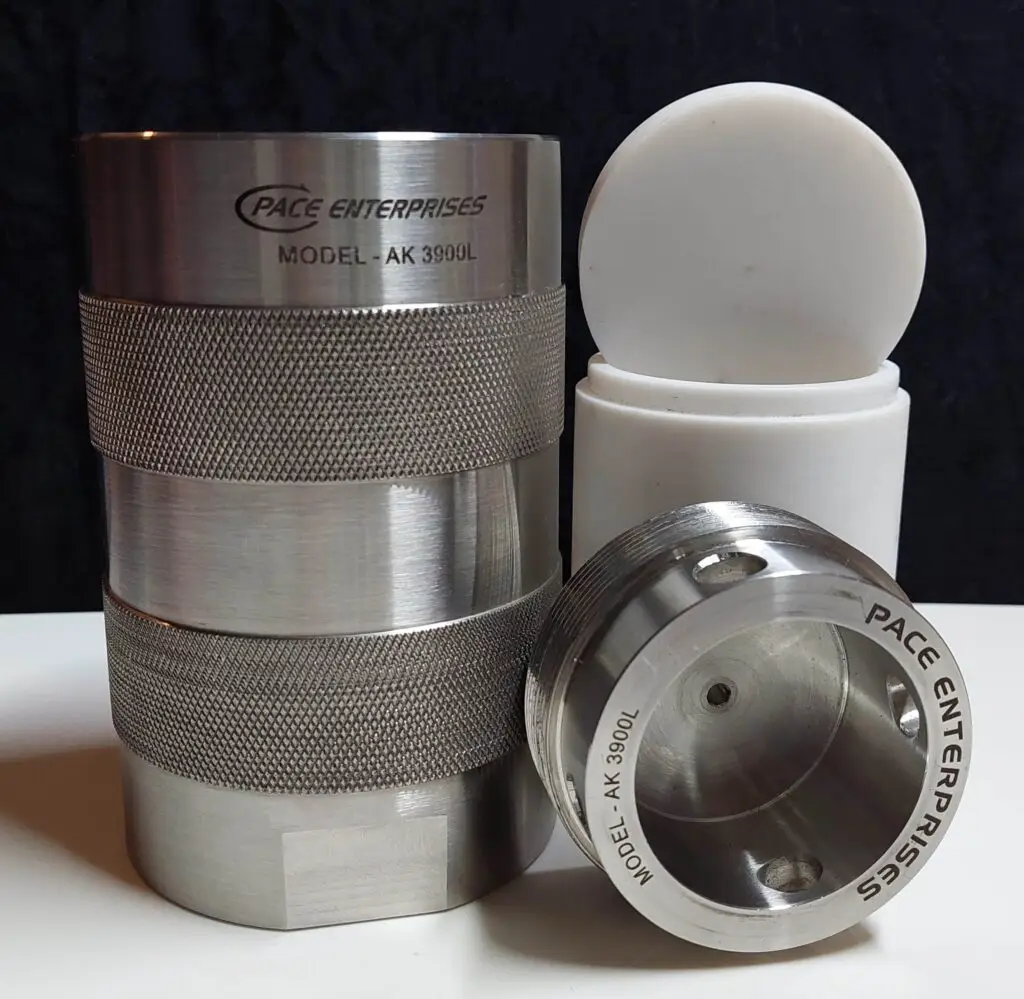
- Maximum operating temperature: ≤290°C
- Safe temperature: 280°C
- Heating and Cooling Rate: ≤5°C/min
- Working Pressure: ≤3MPa or 30 Bar
- Threads are very smooth to lock and unlock
- Material: Shell made of high-quality nonmagnetic 316 stainless steel
- Screw-type cap for basic tightening
Hydrothermal Synthesis Reactors:
A Complete Guide to Their Applications and Benefits
Hydrothermal synthesis is the technique capable of preparing more materials than any other method-from nanomaterials to single crystals. With hydrothermal synthesis reactor, or hydrothermal autoclave, or hydrothermal reaction vessel, this article is a thorough summary of such reactors, functions, applications, and important advantages in materials science and beyond.
What is Hydrothermal Synthesis?
The name hydrothermal synthesis is reserved for chemical reactions occurring in aqueous solutions in a closed system at high temperature-certainly between 100 and 300°C-and pressure-from a few up to several hundred atmospheres. Under these conditions, the properties of water become disturbingly dissimilar, removing many of the limitations of solubility imposed by standard conditions. Reactions that could never have happened under room conditions can be induced. Hydrothermal synthesis thus turns out to be an invaluable means of research for the creation of new materials with special properties.
Understanding the Hydrothermal Reactor (Hydrothermal Autoclave)
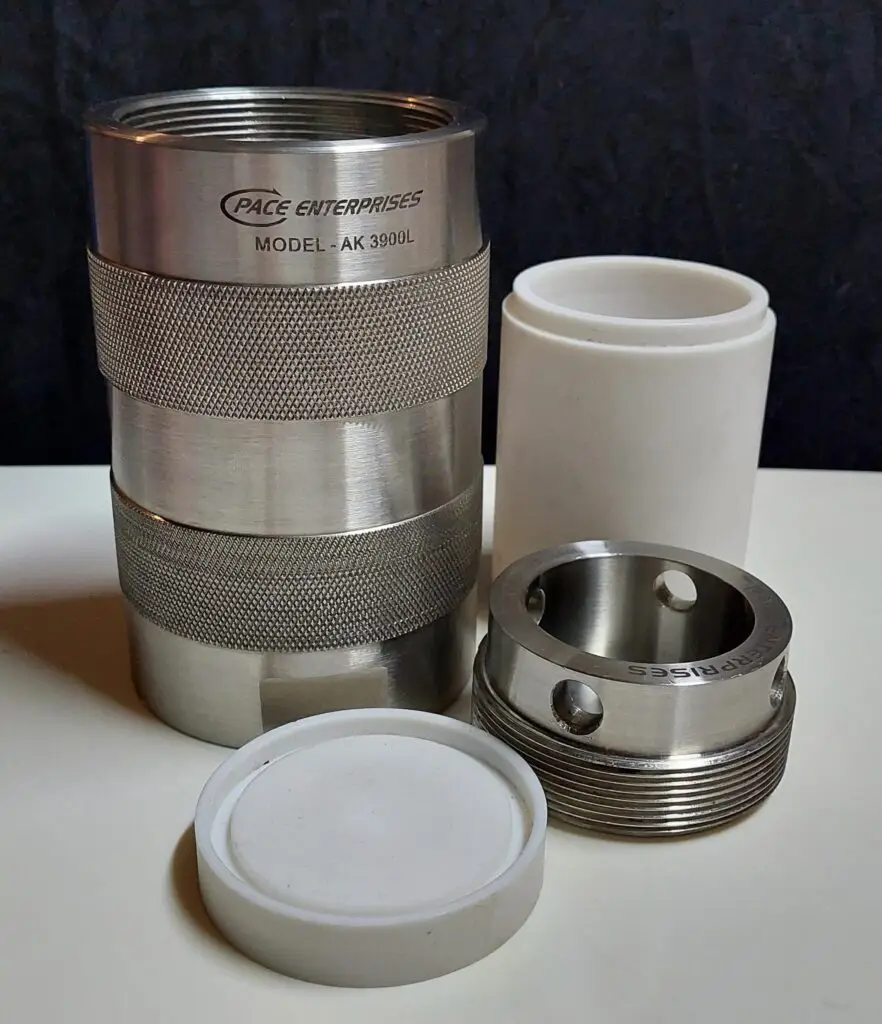
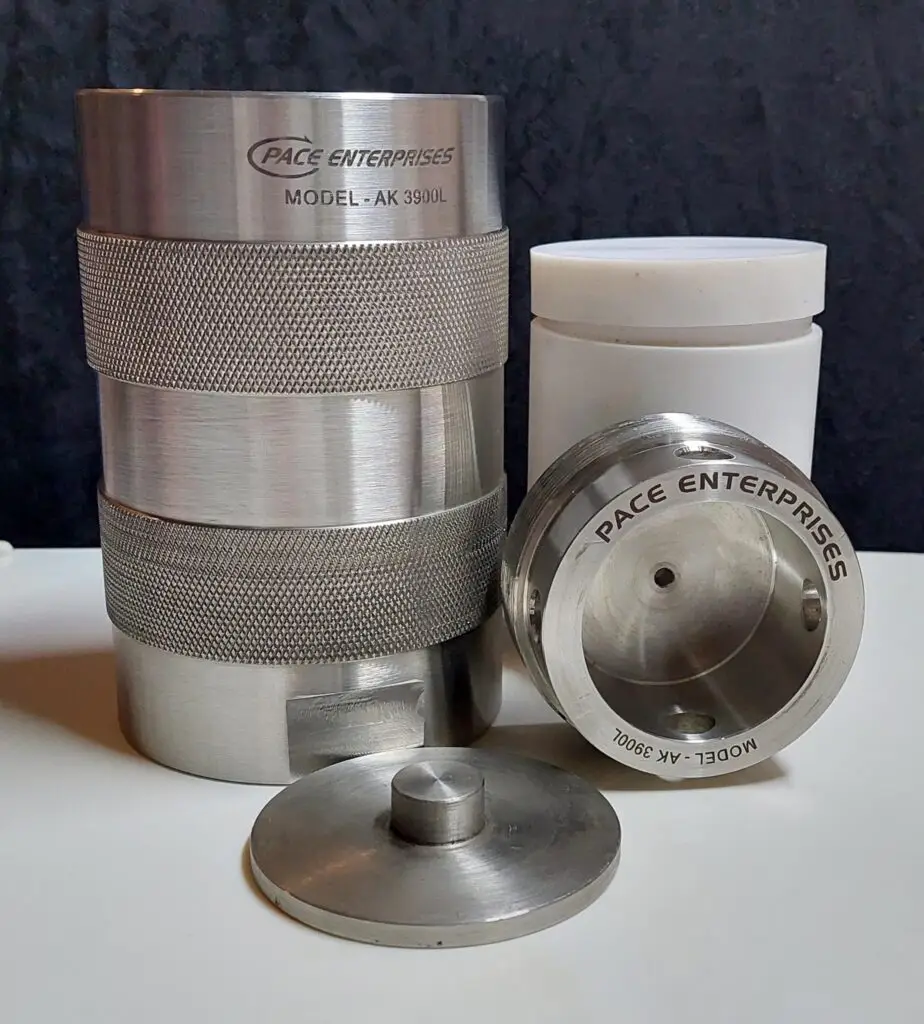
The hydrothermal reactor is that highly defined, high trade-technology hydrothermal autoclave or hydrothermal reaction vessel, among which the most important parts, and their main characteristics are as follows:
Pressure Vessel:
it is constructed of high-strength stainless steel, and it has outer shell easily ensures failure-free containment of high pressure.
Liner (Inner Vessel): made typically out of Teflon (PTFE), PPL (which is much stronger polymer), or other types of corrosion-resistant materials. The liner is to prevent the reaction mixture from reaching and corroding the steel vessel, especially when the process is acidic or alkaline; and also this liner definitely helps maintain the purity of the synth-rich environment.
Sealed-in system:
a reliable enclosed system, most often with threaded caps and associated gaskets or other special sealing rings is mandatory to keep pressure integrity in the course of the reaction.
External heating Ovens, heating mantles, and other high-precision heating sources are utilized for setting the temperature in the reaction process.
Applications of Hydrothermal Synthesis Reactors across Multiple Fields
These reactors are used in all areas of science and industry because they are able to define a certain reaction environment in processes such as:
Nanomaterial Synthesis by Hydrothermal Processes:
These techniques are extremely efficient in producing these nanoparticles, nanowires, nanotubes, and other nanostructures with controlled size, shape, and composition, which is extremely important in nanotechnology for the applications concerning electronics, catalysis, energy storage, and drug delivery.
Hydrothermal Crystal Growth for High-Quality Crystals: It is that technique towards developing high-quality single crystals for different materials such as quartz, zeolites, and metal oxides. These single crystals can have applications in optics, electronics, and jewelry.
Research by Geochemistry and Mineralogy: The study of mineralogy and geochemistry involves the environments simulated at great depths as might exist within the Earth for minerals to form, geological processes, and hydrothermal vents.
Hydrothermal Treatment of Waste and Biomass: Hydrothermal processing can treat several wastes, such as waste biomass and industrial waste, into valuable products or help to minimize environmental impacts. A sustainable waste management alternative is the method.
Synthesis of Zeolites and Molecular Sieves:
Hydrothermal synthesis forms an important method in zeolite and molecular sieve synthesis. These materials are very often used then as catalysts, adsorbents, and ion exchangers, using different target applications and industries.
Benefits of Hydrothermal Synthesis vis-a-vis Other Methods.
There are many advantages that hydrothermal synthesis provides that are not found from other synthesis methods:
Control toward Product Properties: Investigation parameters such as temperature, pressure, time, and reactants can precisely define the size, shape, crystallinity, and composition of the materials being synthesized.
Synthesis of Metastable Phases: High-pressure conditions usually found inside a hydrothermal reactor can stabilize such metastable phases which could not be synthesised easily or totally impossible using other methods.
Less Harmful for Environment: Hydrothermal synthesis employs water instead of organic solvents, thereby lessening or eliminating the need for harmful organic solvents, which makes it an environmentally friendly method for material synthesis.
Cost Efficiency: Hydrothermal synthesis is a more cost-effective method compared to most techniques for producing many materials on a large scale. Choosing the Right Hydrothermal Reactor (Hydrothermal Autoclave).
In selecting the appropriate hydrothermal reactor, consideration should be given to the application and reaction conditions. Such include among other things:
Volume of Reactor:
The volume that would be required for the reaction mixture to be.
Temperature and Pressure of Operation:
The maximum temperature and pressure the reactor can withstand.
Material Liner:
The chemical compatibility of this liner with the reactants.
Safety Features:
Ensure that the reactor possesses the necessary safekeeping features e.g., pressure relief valves.
Custom – Built to Your Exact Specifications
Standard Capacity Models:
- 50 mL Ideal for small-scale
- 100 mL Most popular
- 150 mL
- 200 mL
- Up to 1000 mL
FAQ
Conclusion:
Future of Hydrothermal Synthesis: “Modern materials scientists building upon very powerful methods for synthesizing virtually any number of materials exhibiting tuneable properties rely on hydrothermal synthesis reactors (hydrothermal autoclaves) for all their research and empirical work. Hydrothermal synthesis and its associated reactors will play an even greater role in the manufacture and development of new materials and possible technologies as research strides into nanotechnology, materials science, and green chemistry. Perfect control of reaction conditions and environmental-friendliness position hydrothermal synthesis among the major techniques for future research and applications in material nòindustries.”